Having an SEO Anchor Text Strategy
When it comes to SEO, there’s a whole lot to think about. Gone are the days of keyword stuffing and churning out poor content in return for a favourable search engine position. In 2022, things are a lot more technical, with Google algorithm changes often giving the SERPs an unwanted shakeup. For this reason, it’s extremely important to understand the role of anchor text in SEO and to have an SEO anchor text strategy. So let’s delve deeper into this topic.
What is Anchor Text Strategy?
Anchor text is the visible and clickable text in a link. What you write here matters. Anchor text gives users and search engines a glimpse of what’s on the other side of the link. So you need to think carefully about the keywords you use and the message you create as well as where you’re linking to. This is all part of the overall anchor text strategy.
Are Anchor Links Good for SEO?
Anchor links are good for SEO in many ways. They tell Google algorithms what your content is about and ensure your page is as relevant as possible to a specific search query. Google’s algorithms also use your anchor choices to ensure you’re not being spammy. That’s why it’s essential to optimise your anchor text but to not overly optimise your anchor text with unnecessary keyword cramming (more on this later).
How Does Anchor Text Affect SEO?
Anchor links are also good for SEO because they help to link up your site and make it easy for new pages to be indexed. Internal links help to create a sitemap which Google can easily understand. They also help to identify pages of priority. As a rule, the more links a page has, the more relevant it is to your brand. Anchor links are also a gateway to sites of authority. You can essentially create a branded anchor text which tells Google that your site is associated with another leading site, and this will go towards improving your overall Page Rank.
Keep in mind too that Google loves sites that create a seamless user experience. Links with strong anchor text that take users on an effortless site journey can therefore be beneficial from an SEO perspective, improving navigation and reducing bounce rates.
How Do You Optimise Your Anchor Text for SEO?
When it comes to optimising your anchor text for SEO, there are many different types of anchor text that you can use to your advantage. Remember, you want to optimise your anchor text, but not overly optimise it. So let’s check out anchor text examples and ways to hone your anchor text strategy.
#1 Exact Match Anchor Text
Every page should have a purpose based on strong keyword research. You’ll have a single word or multiple words you want to target in your content and if you use one of these for your anchor text, it’s considered an ‘exact match.’ There’s no real harm in doing this unless you do it every single time. This is because in Google’s eyes, repeated use of exact matches can be spammy. So, use exact matches sparingly to avoid being penalised for trying to manipulate an algorithm.
#2 Partial Match Anchor Text
Partial match anchor text is an option used by more experienced marketers in many cases. The anchor text meaning in marketing remains the same as you’ll still include your keyword, but there will be other words or variations there too, to stop it from looking spammy. This means you can boost the authority of a page without facing Google’s wrath.
#3 Branded Anchor Text
Branded anchor text is great for building recognition and is much less likely to be considered spammy than an exact match. Linking to a brand helps to establish authority and can improve your Page Rank. Branded anchor text can include just the brand name, or have a keyword attached. Just be careful not to overlink to a certain brand as this can come across spammy too.
With regards to link building best practices, remember how important it is to associate yourself with high-quality pages as well as other reputable companies, bloggers, researchers and so on. Branded anchor text is like tagging a celebrity or influencer in a social media post – it’s going to get attention. And it shows Google you’re mingling with the right crowd.
#4 Naked Anchor Text
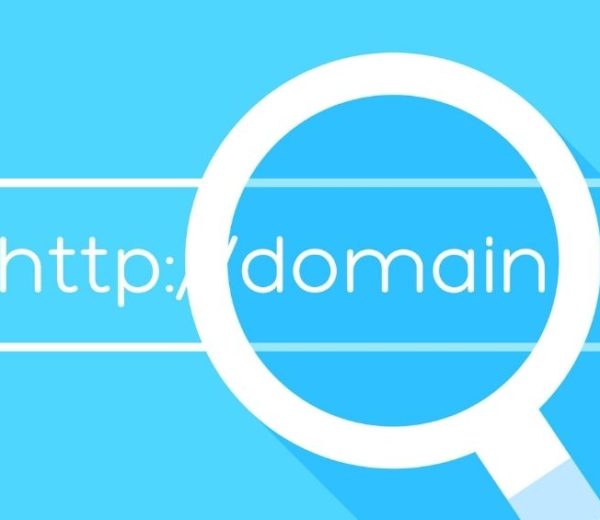
Naked anchor text is simply a URL pasted into the copy from the browser bar. It’s fully-clickable but it’s also visible in all its glory, which can look unprofessional and distract the user. Links of this kind can be used as a source citation, but try to avoid incorporating them into general text as it’s off-putting and makes it look like you don’t know how to create an anchor text link.
#6 Generic Anchor Text
Generic anchor text can draw people towards a credible resource without looking forced. This kind of anchor will be placed into text appropriately during a sentence that’s relevant to the link. Generic anchor text content can also include phrases such as ‘click here’ or ‘find out more.’ Be aware, however, that this type of link doesn’t necessarily tell Google what your page is about and should be used more to enhance the reader’s knowledge and user experience. Again, if you link to a source of high credibility then it can also be good for SEO.
Anchor Text Best Practice
If you’re going to direct someone to another source, or link to another part of your site, then the link must be directly relevant to what you’re communicating. If it’s not, it’s solely a distraction that can worsen the user experience and damage your credibility. So always try to stay on topic and think about links that can enhance your content.
What’s more, always try to link to pages of importance within your own site. The more links these pages get, the more significant and relevant they’ll appear in Google’s eyes.
If you’re looking for a Kent SEO agency to help with your link building strategy, contact Whitefish Marketing today.